Wear-resistant Ceramic Lined Rubber Hoses-Structural Description
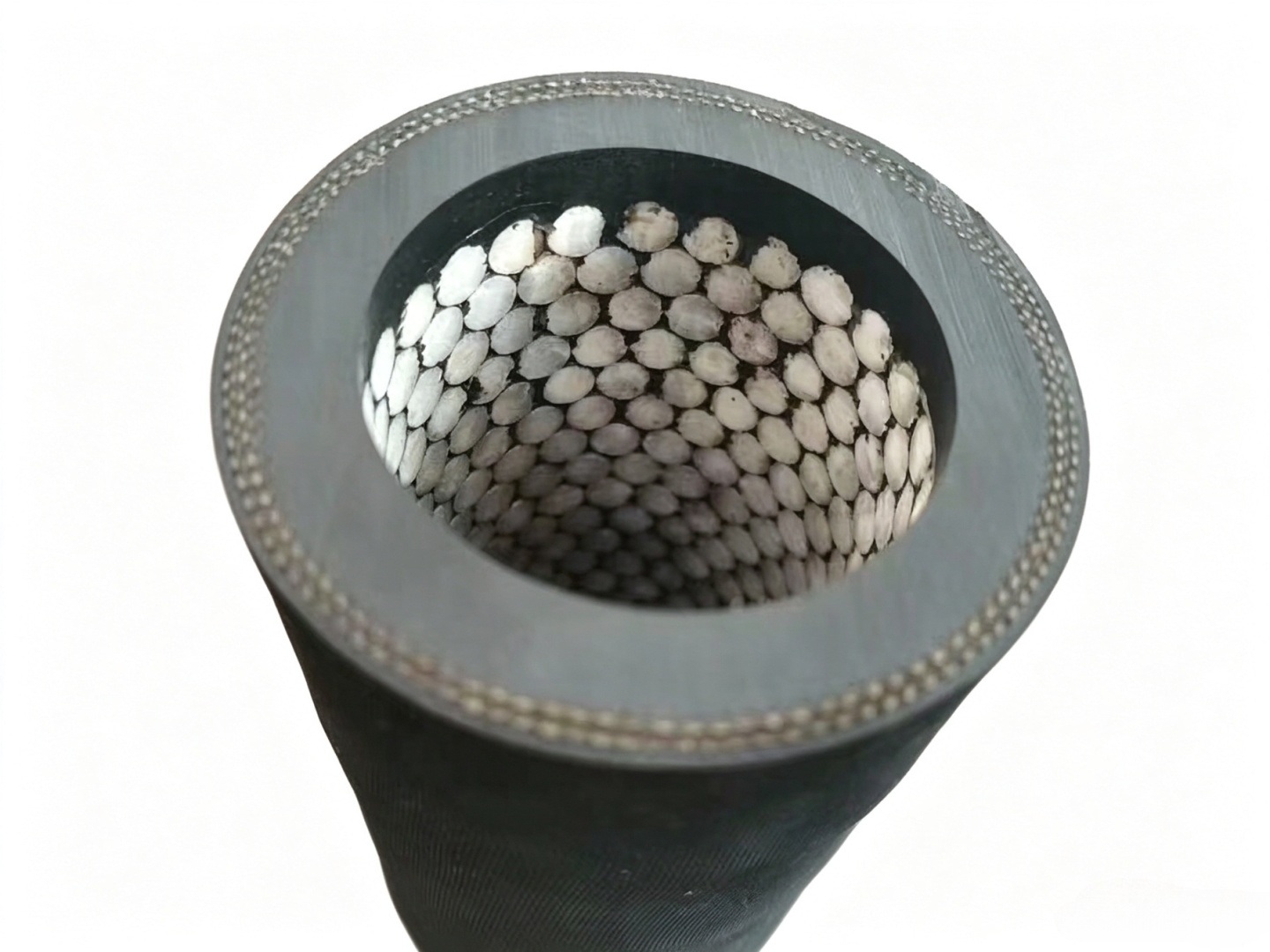
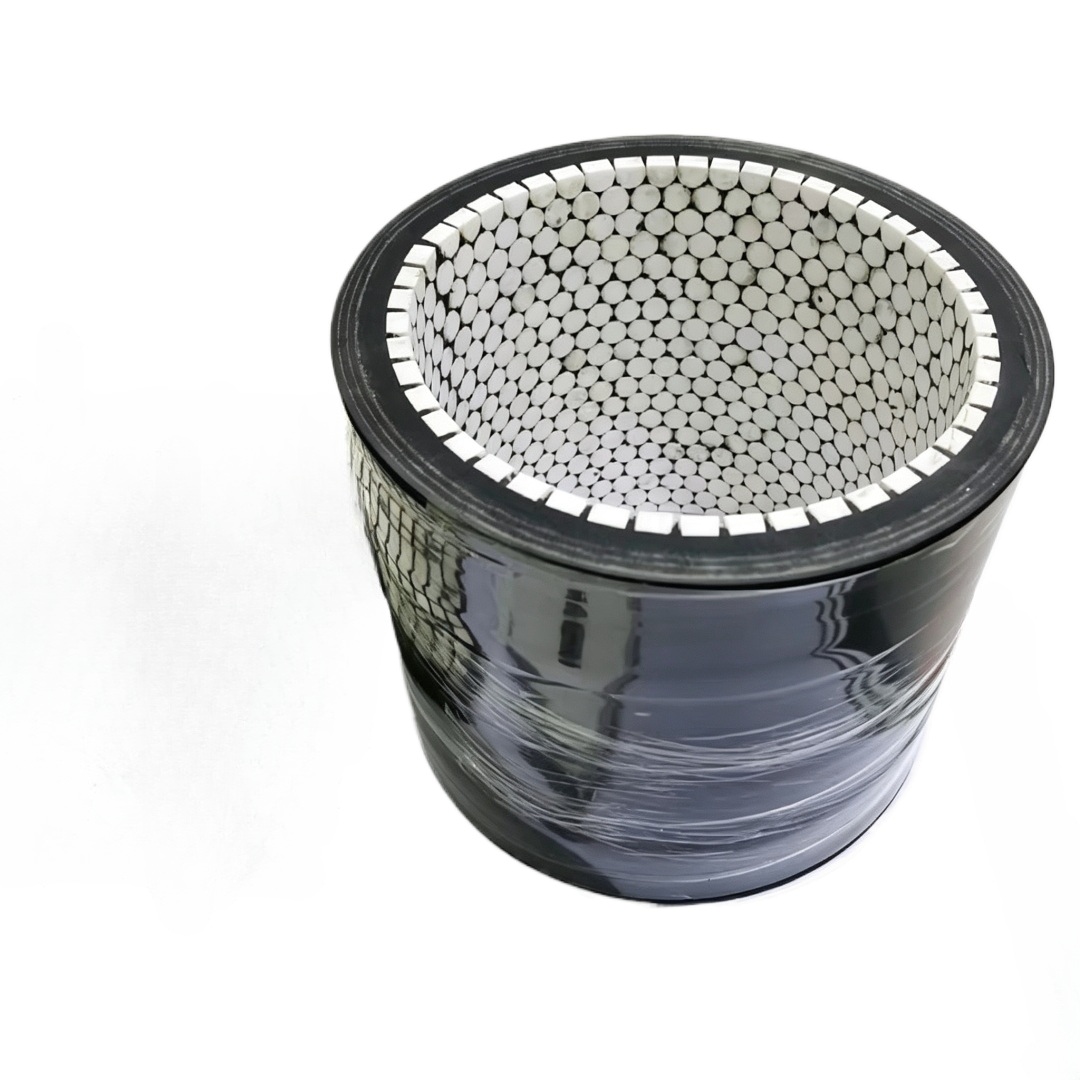
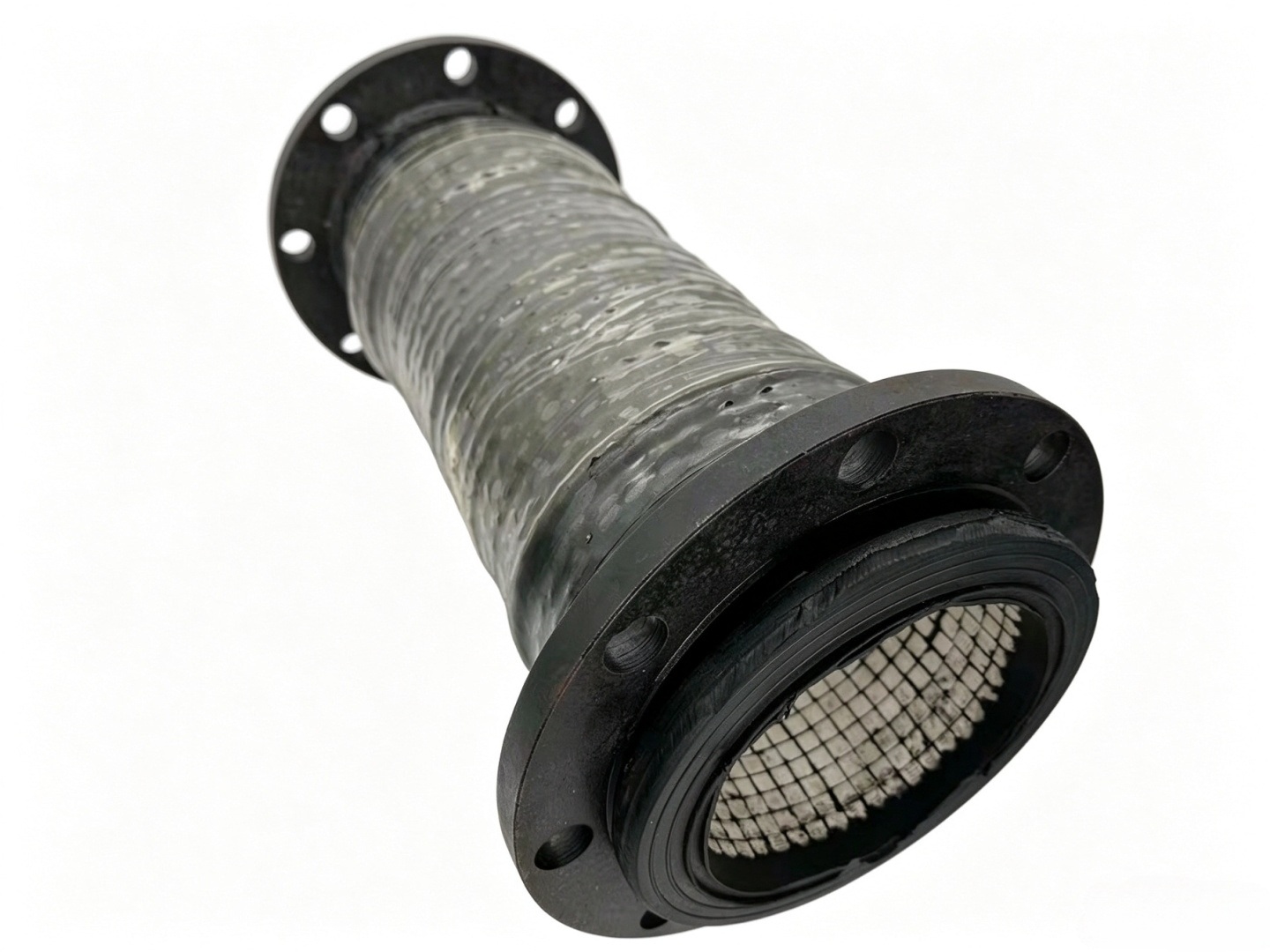
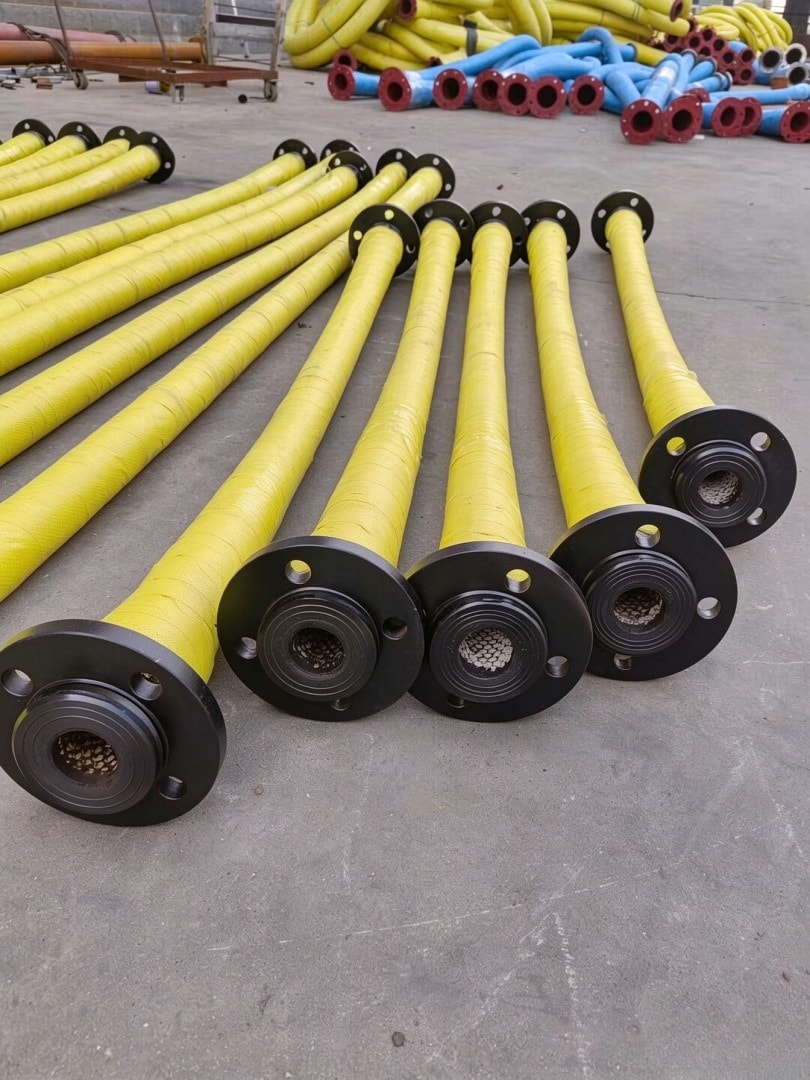
Ceramic Lined Hoses—also known as Wear-resistant Ceramic Rubber Hoses or Alumina Ceramic Composite Hoses are flexible, wear-resistant conveying hoses featuring a lining of highly wear-resistant alumina ceramic tiles on their inner surface.
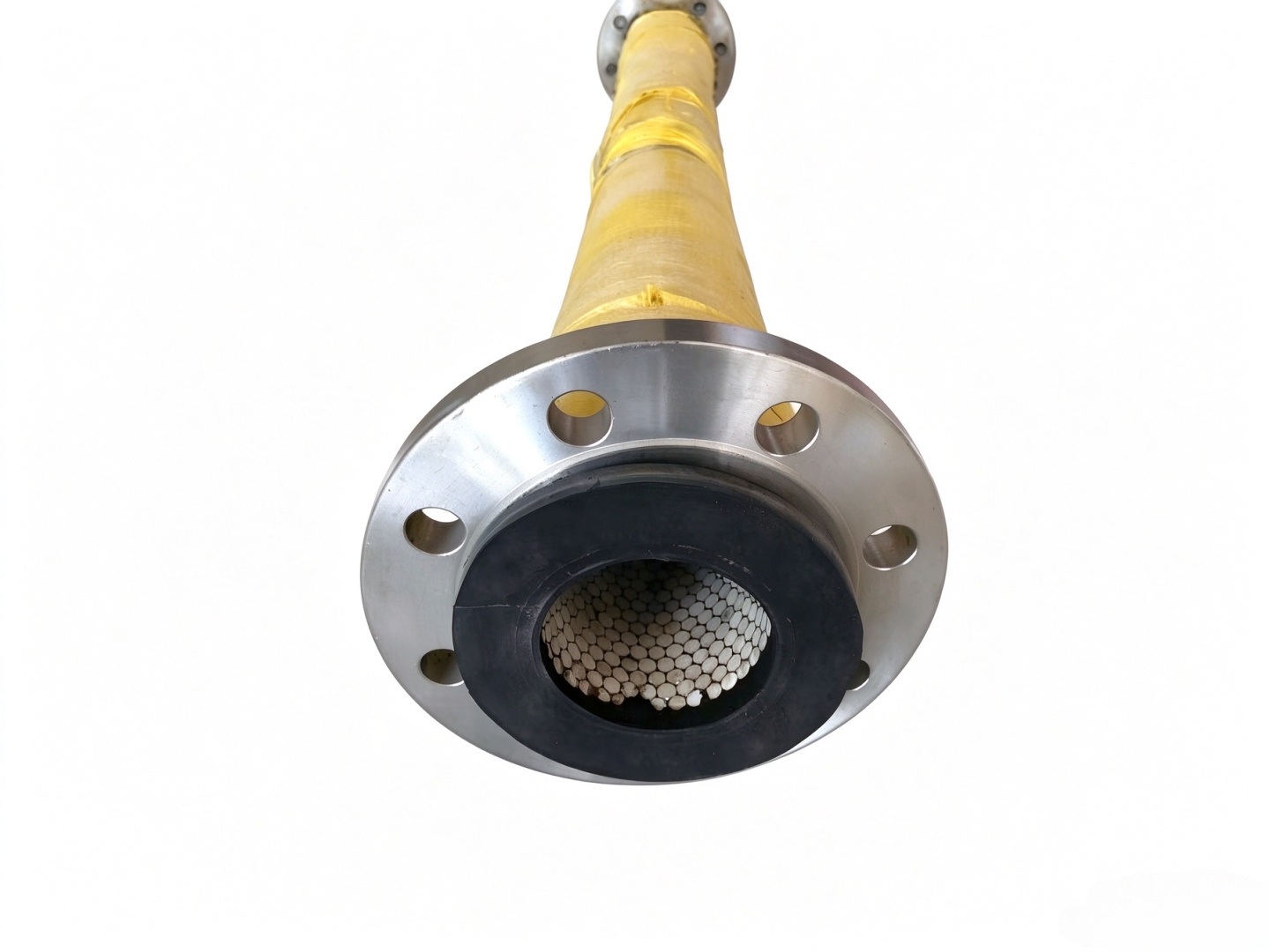
- Inner Lining:Alumina ceramic tiles (95% Al₂O₃) bonded to the inner rubber layer. These tiles serve as the core wear-resistant component, offering high hardness and a low coefficient of friction. Common shapes include hexagonal tiles, as well as circular or trapezoidal ceramic blocks.
- Inner Rubber Layer: High-quality, wear-resistant synthetic rubber (selected from NR, SBR, NBR, BR, or EPDM based on specific requirements). This layer provides cushioning and sealing; once vulcanized, it bonds firmly to the ceramic tiles, preventing them from detaching.
- Reinforcement Layer (Pressure-Bearing Layer):Composed of multiple layers of high-strength fiber or aramid braiding, or steel wire reinforcement (selected according to the required pressure rating).
- Outer Protective Layer: An aging-resistant, weather-resistant rubber exterior that protects against UV radiation, ozone, acid/alkali splashes, tearing, and physical impact, thereby safeguarding the internal structural framework and the ceramic lining.
- End Connections: The hoses can be fitted with integrated, vulcanized flanges (made of carbon steel or stainless steel). These flanges are also lined with ceramic to prevent wear at the connection points. Flanges can be customized to meet various standards, including GB (Chinese National Standard), ANSI (American National Standard), or DIN (German Industrial Standard).
Advantages of Ceramic-Lined Rubber Hoses:
These hoses provide over ten (10) times the wear resistance as standard steel pipe and over twenty (20) times the wear resistance of traditional rubber hose, therefore providing an extended service life.
- Corrosion Resistance: The ceramic lining provides resistance to chemical corrosion from most weak acids and weak bases, while also providing excellent resistance to water, oil and age.
- Anti-clogging: The smooth inner surface of the ceramic provides a low friction resistance which prevents the powder material from sticking to the wall of the pipe or developing scaling. In addition, the flange ends of the pipe are lined with ceramic which eliminates steps or “dead zones” in the pipe, thereby greatly reducing the possibility of clogging.
- Impact resistance:The rubber layer acts as a shock absorber. This means it absorbs the force created by an object hitting the ceramic. This enables the hose to take the hit from big, rough items.
- Lightweight: At the same diameter, ceramic lined rubber hoses weigh less than either stone lined hoses or heavy walled steel pipes. These ceramic lined rubber hoses weigh only 30% of the weight of a comparable size steel pipe.
- High flexibility: The hoses exhibit high flexibility and can be bent extensively without being damaged. To achieve this, a scientific design was created to position ceramic tiles precisely around the interior circumference of the rubber hose to allow the hose to flex.
- Good heat resistance: operating temperature for NBR is between -20°C and 100°C; operating temperature for EPDM is between -30°C and 120°C.
- Easy Installation: There are many different types of connection options that can be used such as fixed flange, swivel (floating) flange, threaded connection and quick release couplings.
Applications for Ceramic-Lined Rubber Hoses
These hoses were created with the ability to withstand the wear associated with moving highly abrasive products such as, large particles, fine powders, mineral slurry, mortar, fly ash etc. This type of hose provides a better option than using other types of wear resistant hoses like polyurethane hoses or standard wear resistant rubber hoses. Also, it can be used in place of steel pipes or cast iron pipes which would provide a longer life for the entire pipeline system. Some of the main industries include:
- Mining : Tailings Transport, Mineral Slurry Pipelines, Pneumatic Transport of Dry Mineral Powders, Sand and Gravel Washing/Transport, Heavy-Medium Separation Pipelines, Wear Resistant Hose on Pump Outlets.
- Power generation and thermal plants: use pneumatic transportation to move fly ash, transport desulfurized limestone slurry, handle ashes/slag and use hoses in their fly ash removal systems.
- Construction Materials & Cement: Raw cement mix is transported along with clinker powder, slag powder and limestone powder. Mortar is also transported within concrete batching facilities.
- Metals and steel: transport of waste products from steel production (slag), concentrates of iron ore, particles removed by the dust collectors in a facility, and fine particles of bauxite.
- Dredging, Sand Mining & Environmentally Sound Sand Washing Operations: Suction & discharge hoses used by sand dredges; transport of mud, mortar and aggregate in sand washing facilities; and transportation of material from river dredging and desilting operations.
- Chemical Powders and New Energy Materials Industries: Pneumatic transportation of quartz powder, silica fume, lithium-ion battery cathode powder, and other non-metallic mineral powders (contamination-free; ceramic lined to prevent leaching of heavy metals).
- Grain & Feed Industries: To transport grain and feed pellets (no high friction; no material contamination).
The Ceramic Lined Hose Specification
| SIZE | OD | WP | BP | Weight | Length | |||
| mm | inch | mm | psi | bar | psi | bar | kg/m | m |
| 25 | 1″ | 47 | 150 | 10 | 450 | 30 | 1.9 | 20 |
| 32 | 1 1/4″ | 55 | 150 | 10 | 450 | 30 | 2.5 | 20 |
| 38 | 1 1/2″ | 62 | 150 | 10 | 450 | 30 | 3 | 20 |
| 51 | 2″ | 78 | 150 | 10 | 450 | 30 | 4.4 | 20 |
| 64 | 2 1/2″ | 91 | 150 | 10 | 450 | 30 | 5.3 | 20 |
| 76 | 3 | 106 | 150 | 10 | 450 | 30 | 6.7 | 20 |
| 102 | 4″ | 133 | 150 | 10 | 450 | 30 | 9.2 | 12 |
| 152 | 6″ | 186 | 150 | 10 | 450 | 30 | 12.9 | 12 |
| 200 | 8″ | 236 | 150 | 10 | 450 | 30 | 17.6 | 12 |
| 250 | 10″ | 290 | 150 | 10 | 450 | 30 | 23.3 | 12 |
| 300 | 12″ | 350 | 150 | 10 | 450 | 30 | 31 | 12 |