
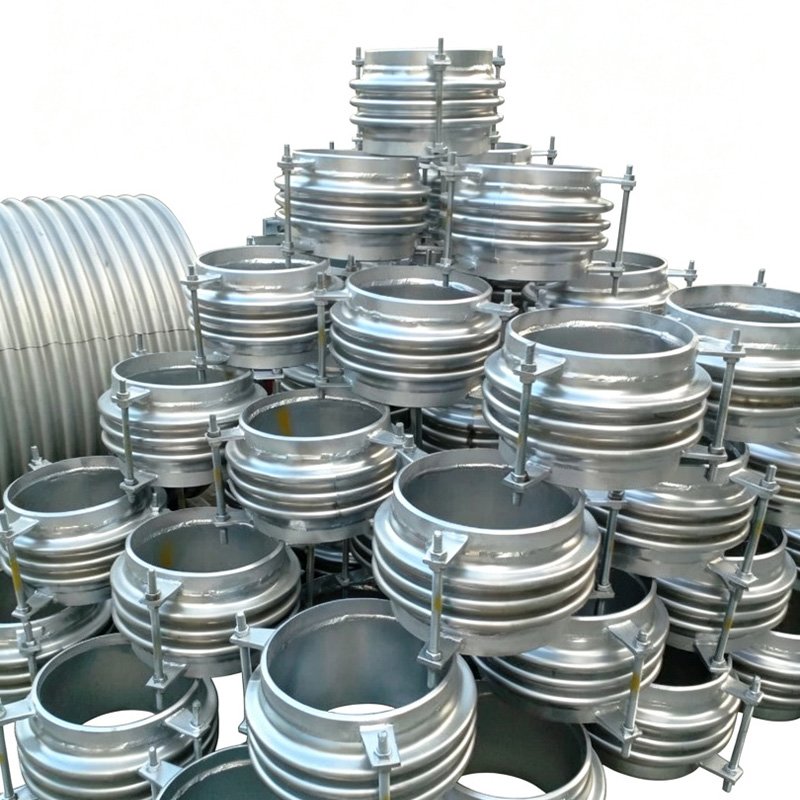
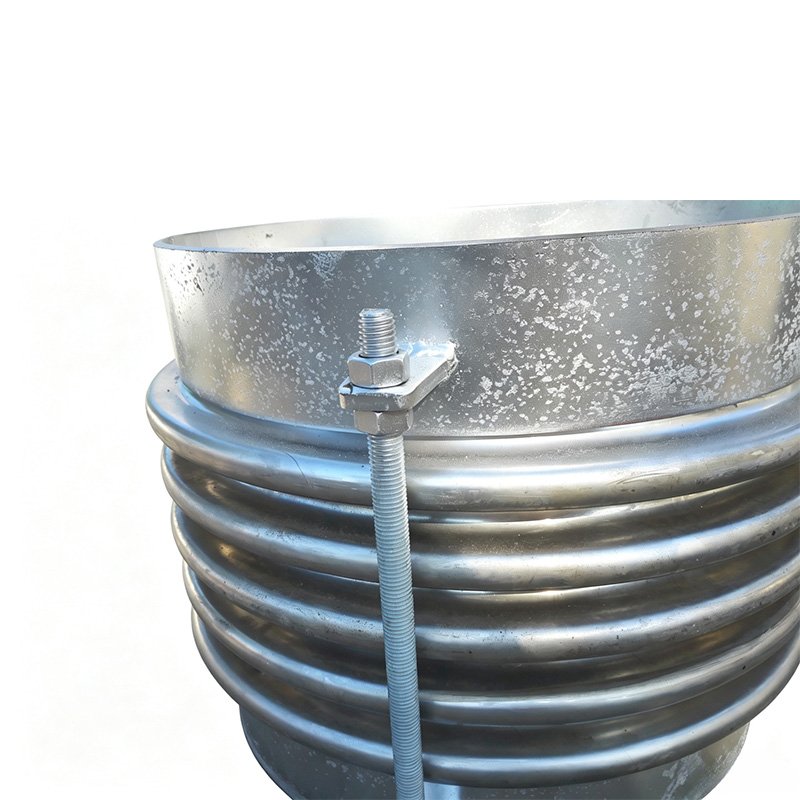
High Performance Metal Expansion Joint
- Multiple Metal Materials
- Global Supply Capability
- Flange & Welded Connections
- Custom sizes available
- Wide Range Application
Metal Expansion Joint for Piping Systems
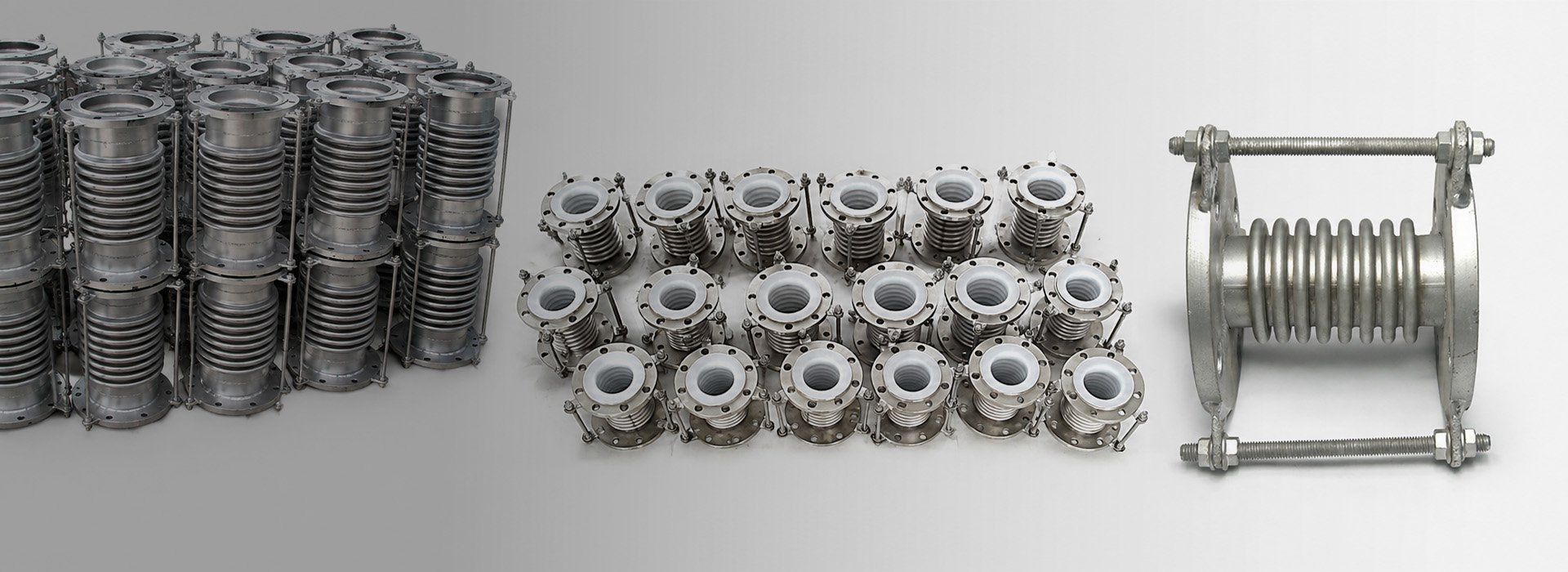
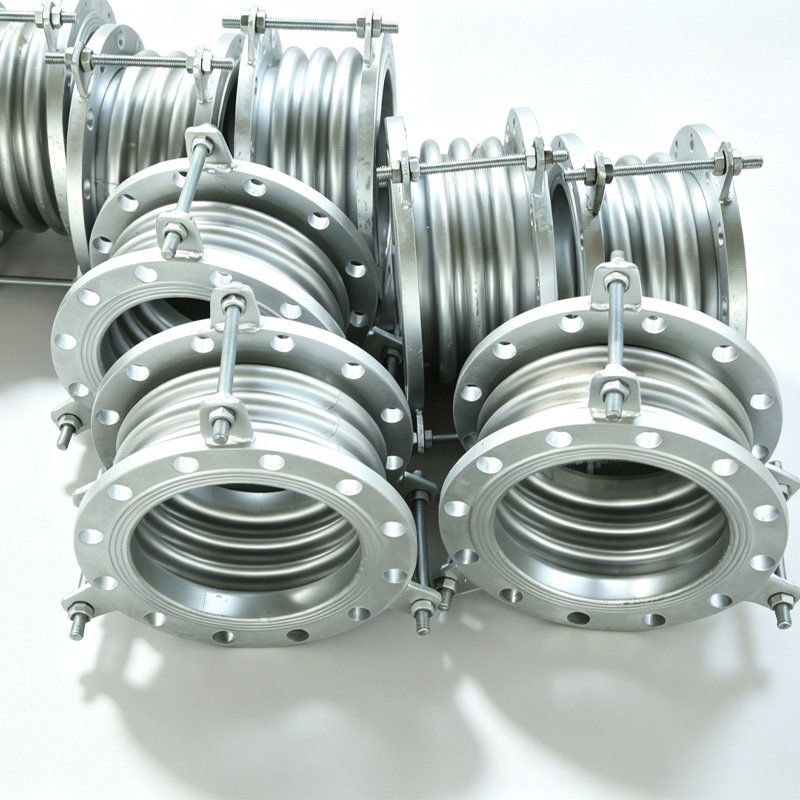
We offer Metal Expansion Joints and customized solutions in metal expansion joints such as Metal Bellows Expansion Joints and Stainless Steel Expansion Joints. Our products have to offset pipeline thermal expansion, and axial movement, lateral movement and vibration, They can be used in high temperature, high pressure, corrosive industrial environment, to satisfy engineering requirements for every project.
Metal Expansion Joint Types
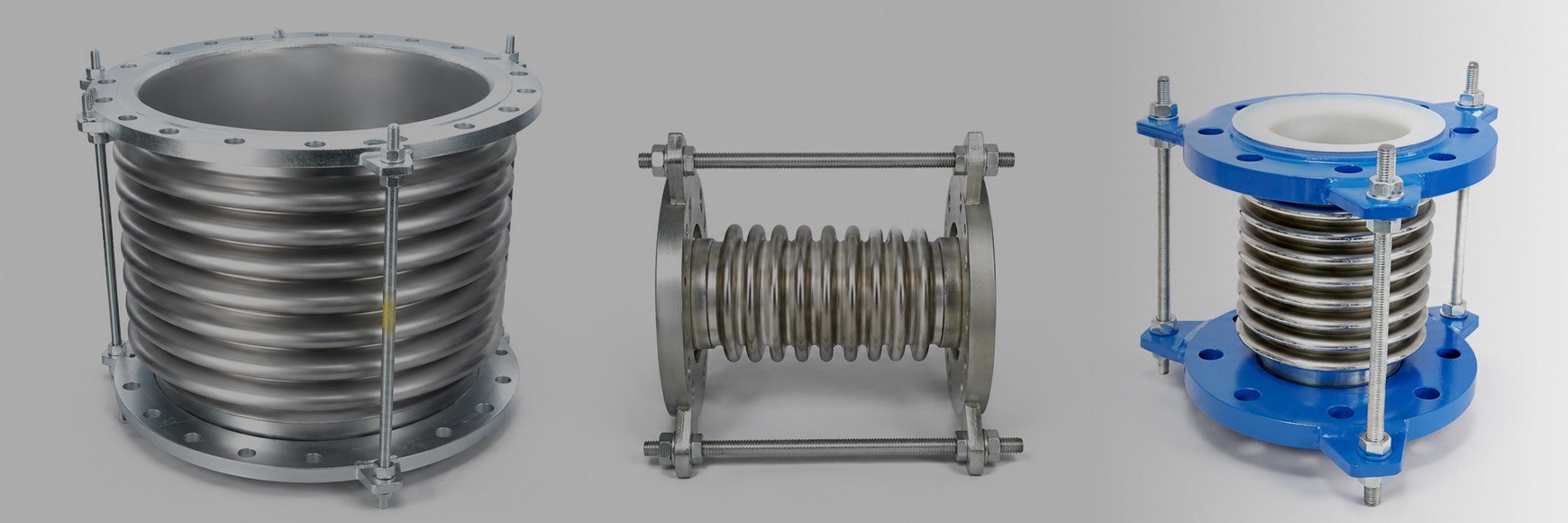
We can customize metal compensators of various materials to help industrial pipelines transport fluid media such as gases and liquids.
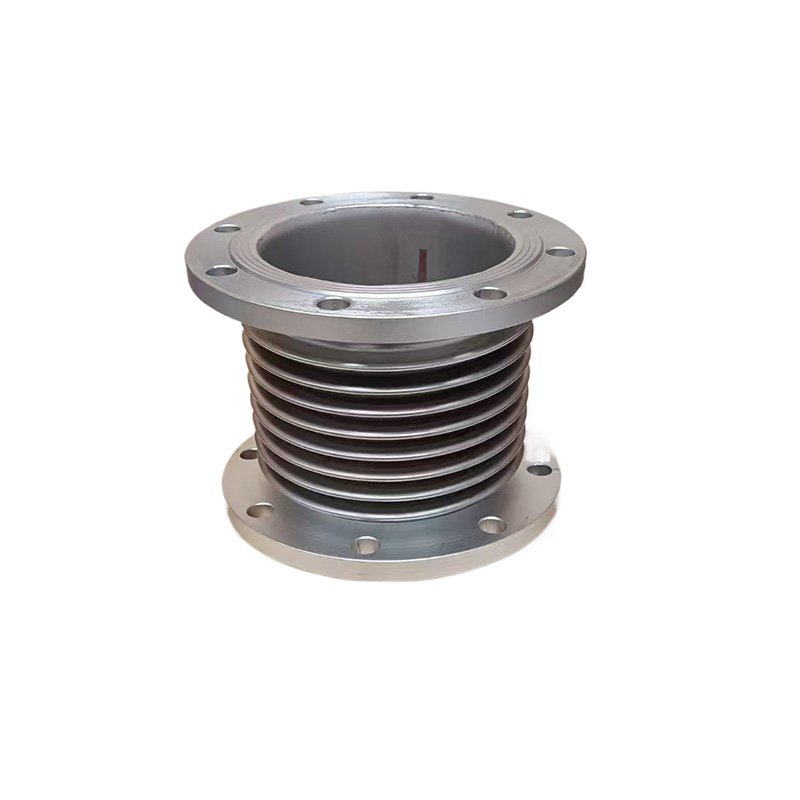
Absorbs thermal expansion/mechanical displacement of high-temperature/high-pressure pipelines.
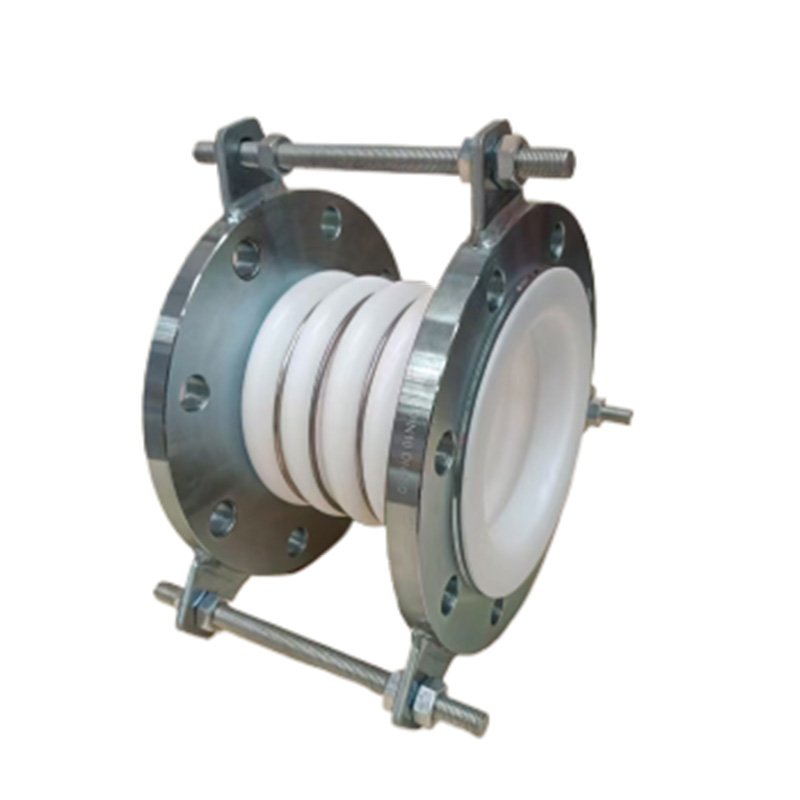
The PTFE lining enhances corrosion resistance, making it suitable for conveying chemical media.

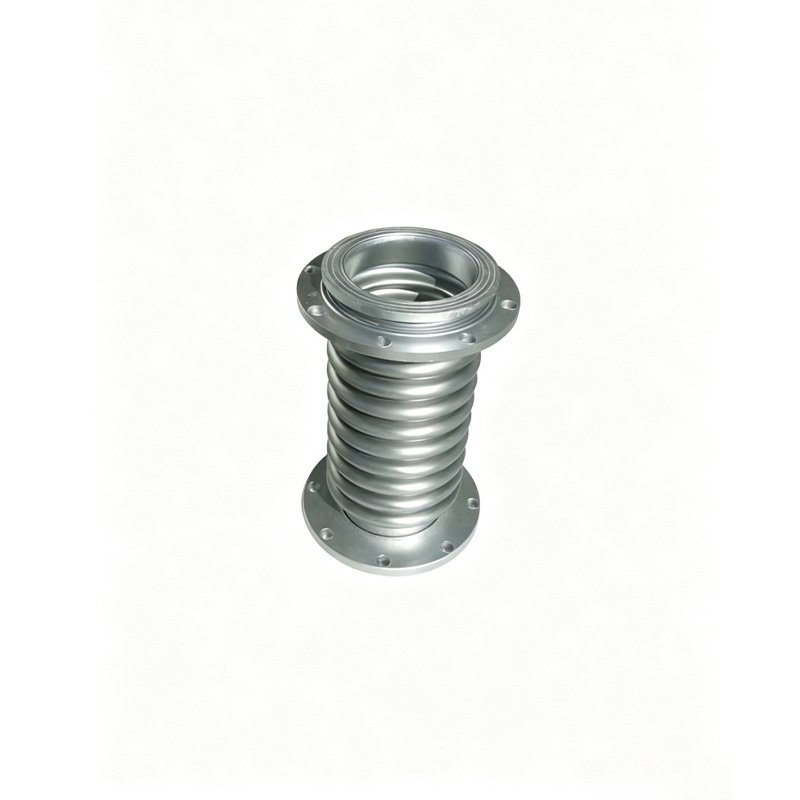
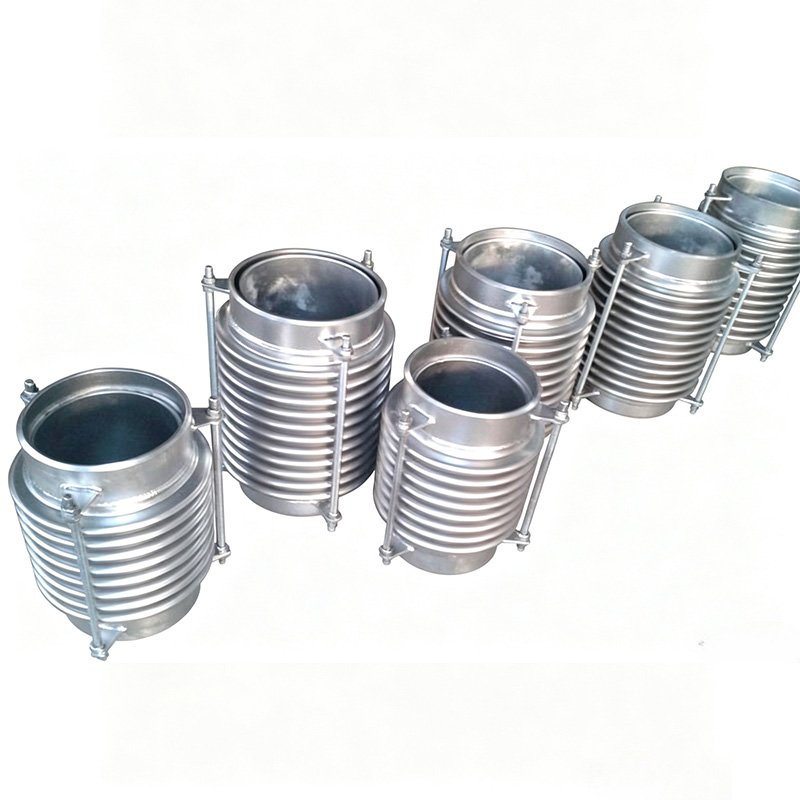
Used in exhaust and tail gas ducts, it can absorb thermal expansion and equipment vibration.
Why Choose Our Metal Expansion Joint
Metal expansion joints are mainly utilized to compensate thermal displacement, vibration, and misalignment in operation of pipelines.

To compensate for pipeline displacement caused by temperature changes during operation.

Formed bellows allow controlled movement without rigid pipeline connections.

Suitable for piping systems operating under harsh temperature conditions.

It relieves excessive stress transmitted to pipes, valves and connecting equipment.

It can adapt to controlled expansion and contraction along the pipeline direction.

Handles limited sideways movement caused by thermal or mechanical displacement.

Flexible bellows help isolate vibrations generated by pumps and equipment.

It has good corrosion resistance and can be used to transport fuels, chemicals, etc.
Various Metal Materials such as 304 and 316L
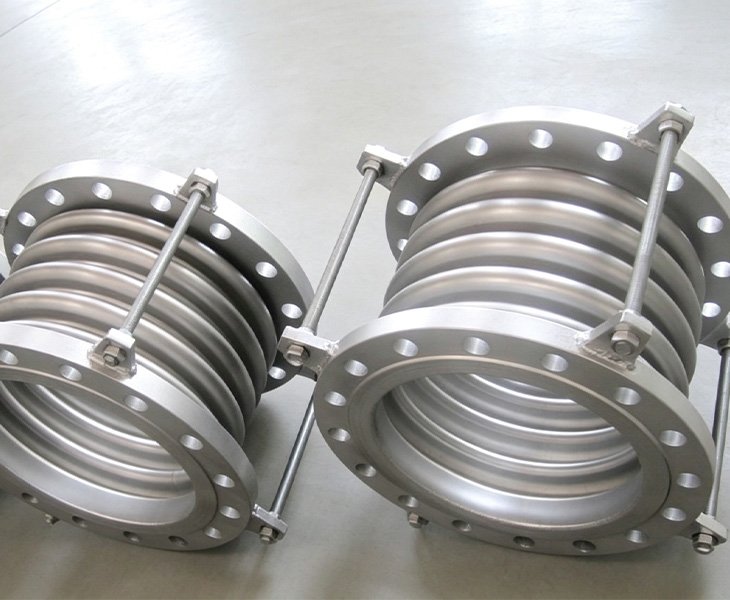
Metal expansion joints can be made of stainless steel such as 304 and 316L to transport different media and withstand different temperatures and corrosive environments. Higher performance alloy materials can also be matched for special working conditions. Appropriate material selection not only affects the corrosion resistance of the metal expansion joint but also directly impacts its service life.
High Temperature and High Pressure Resistance
Jiuyi’s metal compensators are primarily used in high-temperature pipeline systems for transmitting steam, hot oil, flue gas, and chemical media. Ordinary flexible connectors may struggle to withstand harsh environments over extended periods. Metal expansion joints, employing a metal bellows structure, can be custom-designed based on design pressure, operating temperature, and media conditions, providing reliable displacement compensation and sealing support for high-temperature and high-pressure pipelines.
Professional Metal Expansion Joint Manufacturer
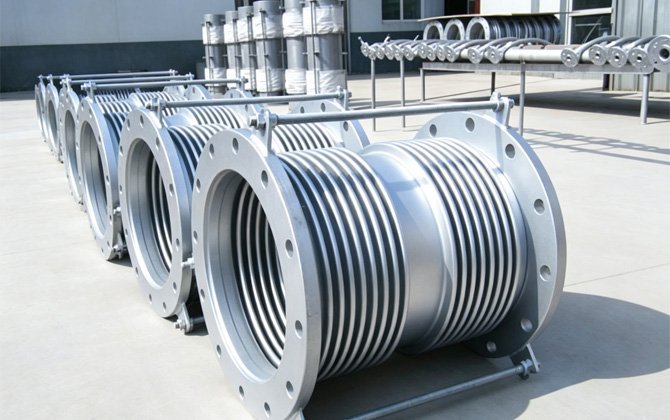
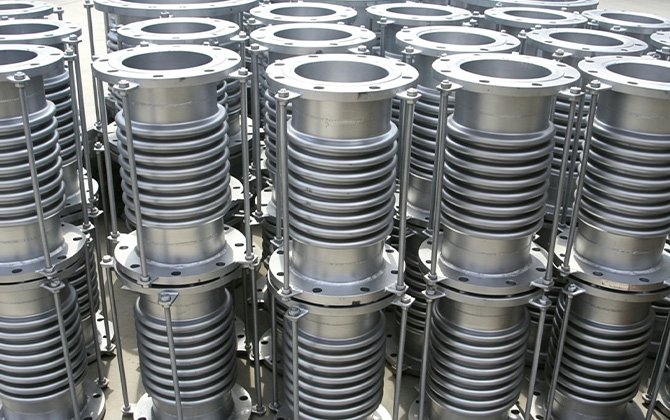
Jiuyi’s metal compensator products include corrugated metal expansion joints, pipe expansion joints, axial expansion joints, and flanged expansion joints. Products can be customized according to pipe diameter, material, operating temperature, pressure, and compensation requirements, providing customized metal expansion joint solutions to meet the application needs of industrial pipelines, thermal systems, boilers, and equipment connections.
Industry Solutions for Metal Compensators
We solve pipeline thermal expansion, mechanical vibration, equipment displacement, and installation errors in the industrial sector, providing Metal Expansion Joint solutions adapted to different operating conditions to help improve the stability, sealing, and service life of pipeline systems.

Boilers, steam turbines, heat exchange equipment, and steam pipelines generate significant thermal displacement and mechanical vibration during operation. Metal Expansion Joints can be used in steam, flue gas, and heat medium piping systems to help release pipeline stress caused by temperature changes.

The iron and steel production process involves a large amount of high-temperature media, flue gas, and large pipeline systems, resulting in significant pipeline thermal displacement and equipment vibration. Metal expansion joints can be used in pipelines carrying high-temperature flue gas, air, coal gas, and process media.
Details About Metal Expansion Joint
- Metal Expansion Joint Specifications
| DN | Wave number | Pressure Rating(MPa) | Length | |||
| 0.6 | 1 | 1.6 | Flange(mm) | take over(mm) | ||
| Axial Compression(mm) Rigidity(N/mm) | ||||||
| 32 | 8 | 22/26 | 20/26 | 18/63 | 160/250 | 264/280 |
| 32 | 16 | 46/14 | 41/14 | 36/32 | 224/291 | 316/321 |
| 40 | 8 | 22/44 | 20/44 | 18/89 | 164/259 | 269/289 |
| 40 | 16 | 46/22 | 41/22 | 36/45 | 230/304 | 319/334 |
| 50 | 8 | 22/51 | 20/70 | 18/70 | 172/276 | 282/306 |
| 50 | 16 | 46/26 | 41/35 | 36/45 | 204/342 | 347/372 |
| 65 | 8 | 30/35 | 26/44 | 18/70 | 215/294 | 300/322 |
| 65 | 12 | 38/22 | 38/32 | 36/35 | 260/334 | 340/362 |
| 80 | 8 | 36/26 | 34/33 | 22/55 | 240/338 | 344/366 |
| 80 | 10 | 49/17 | 49/21 | 2234/40 | 270/368 | 374/390 |
| 100 | 6 | 45/60 | 40/75 | 28/41 | 235/317 | 323/345 |
| 100 | 10 | 74/32 | 64/40 | 43/26 | 305/381 | 387/409 |
| 125 | 5 | 42/47 | 38/59 | 35/93 | 282/314 | 316/342 |
Real Customer Reviews of Metal Compensators
The metal compensator can even produce punched ribbons and others. The customer service was much better this time from choosing to confirming the drawing. The metal compensators were delivered and connected nicely with the pipelines in the filed, and we will long purchase these good products.
 ArrowCEO, America
Our project under high temperature is high temperature piping systems, so size-based selection for metal expansion joint is not enough; temperature change and pipe movement should be considered as well. After two downloads of day working conclusions.The supplier confirmed again the due connections dimensions and compensation requirements according to our working conditions and the final result meets the needs for on site installation.
 MuhammadEngineer, Singapore
Typical selection consideration includes pipe size, design pressure, design temperature, medium, axial or lateral movement, method of joining and space available. It is not enough to select an expansion joint by pipe size; displacement and working conditions frequently have quite a direct effect on the estructure design and the service life.
Expansion bellows are fatigue sensitive and the material, dimensions, temperature, pressure, movement and number of cycles have a major influence on their life. The life of a particular product may vary considerably in different applications and hence fatigue life based calculation are generally necessary in design.
Known degradation mechanisms include bellows fatigue cracking, weld defects, mechanical damage of sealing surfaces, over stretching or over compressing during installation and real running condition exceeding the design limits. Once a leak is identified, the location of the leak and the operating parameters should be determined first to see if the issue is with the product or the system installation.
Multi-layer corrugated pipes are made up of several thin metal sheets layers, constitute context-based design, termed technique can equalize pressure bearing capacity, flexibility and fatigue performance; single-layer is less complex layered structures. The specific design to be adopted depends on an overall evaluation of various factors such as pressure, temperature, movement, pipe size, and anticipated number of cycles.