
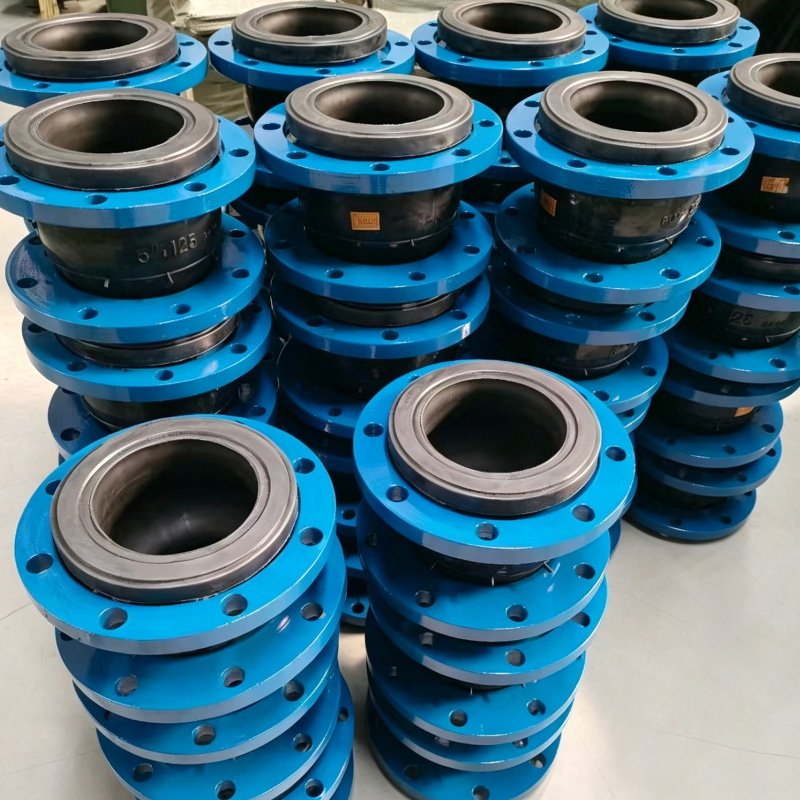
5 Reasons to Work With Us
- Reliable Rubber Compounds
- Flexible & Easy Installation
- Stable Production Capacity
- 100% Quality Inspection
- OEM/ODM & Printed Logo Services
Rubber Expansion Joint Manufacturer
Industrial pipeline vibration, equipment noise, and thermal expansion and contraction displacement can all affect the operation of equipment systems. Jiuyi’s Rubber Expansion Joint absorbs vibration, reduces noise, and compensates for certain axial and lateral displacements by adjusting the flexible rubber structure. It is suitable for connecting pipes, pumps, fans, and industrial equipment, and customized solutions can be provided according to actual working conditions.
Rubber Expansion Joint Types
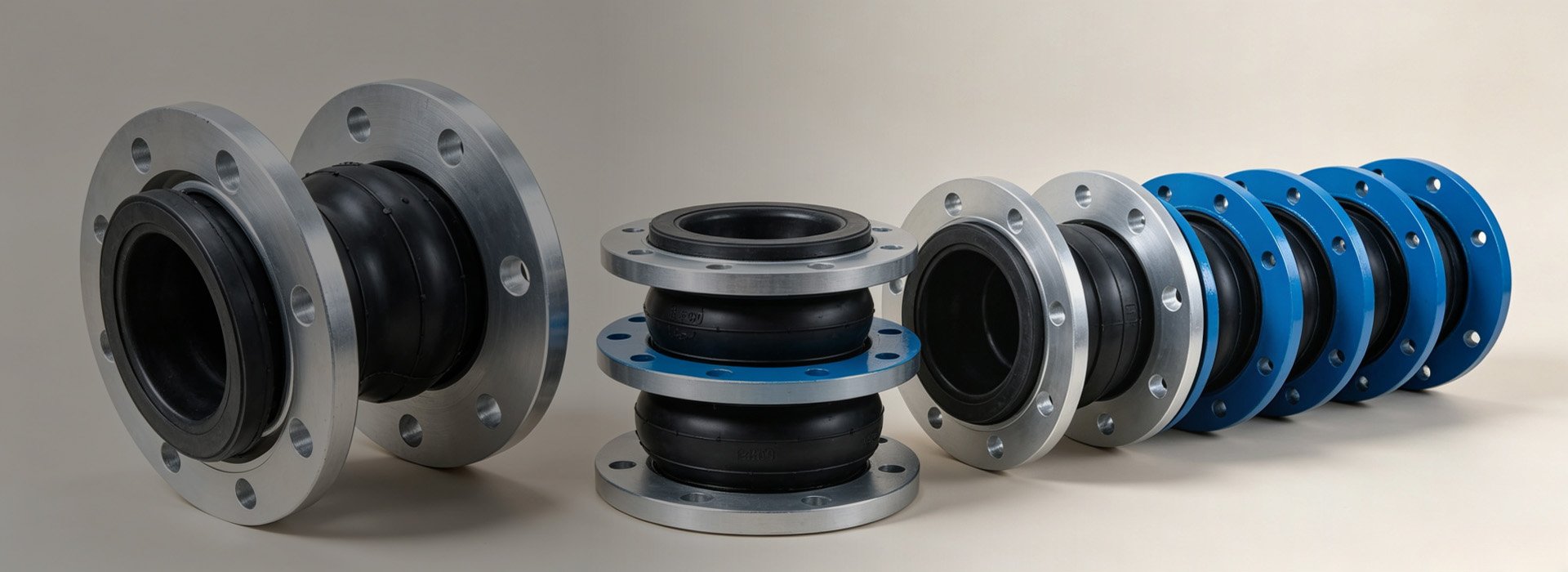
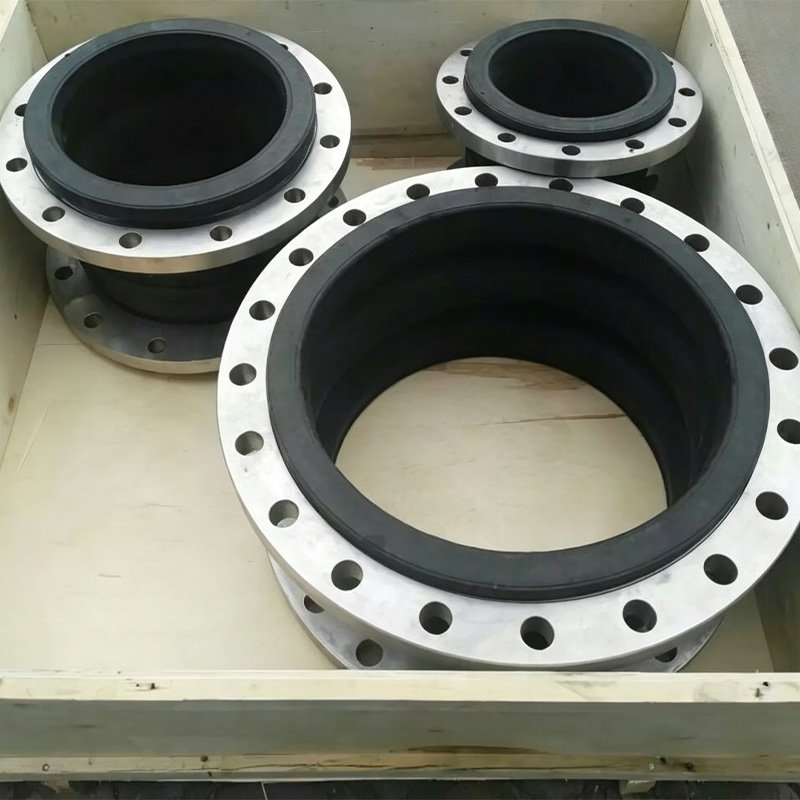
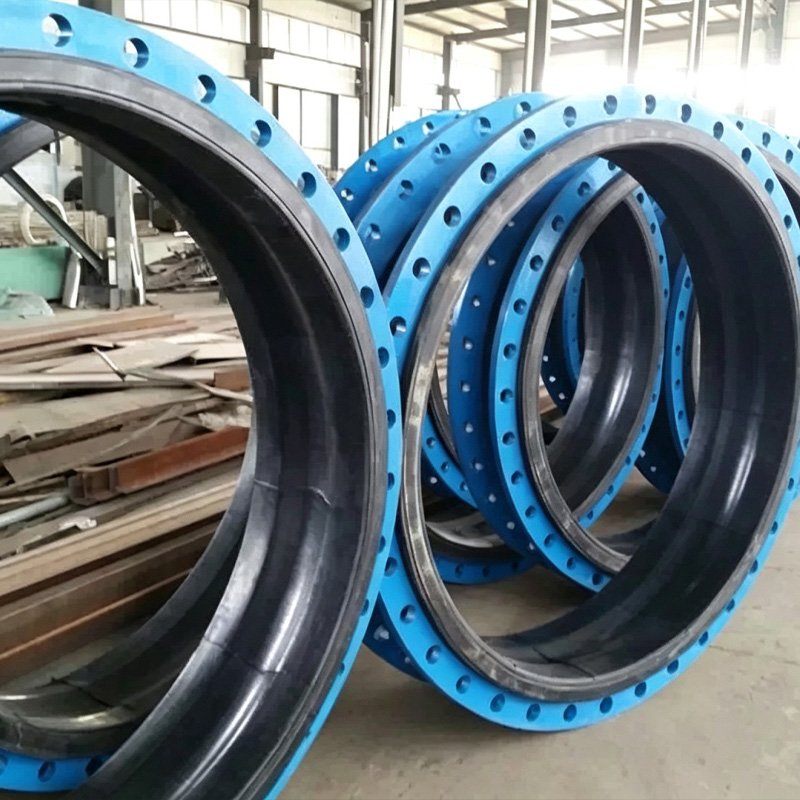
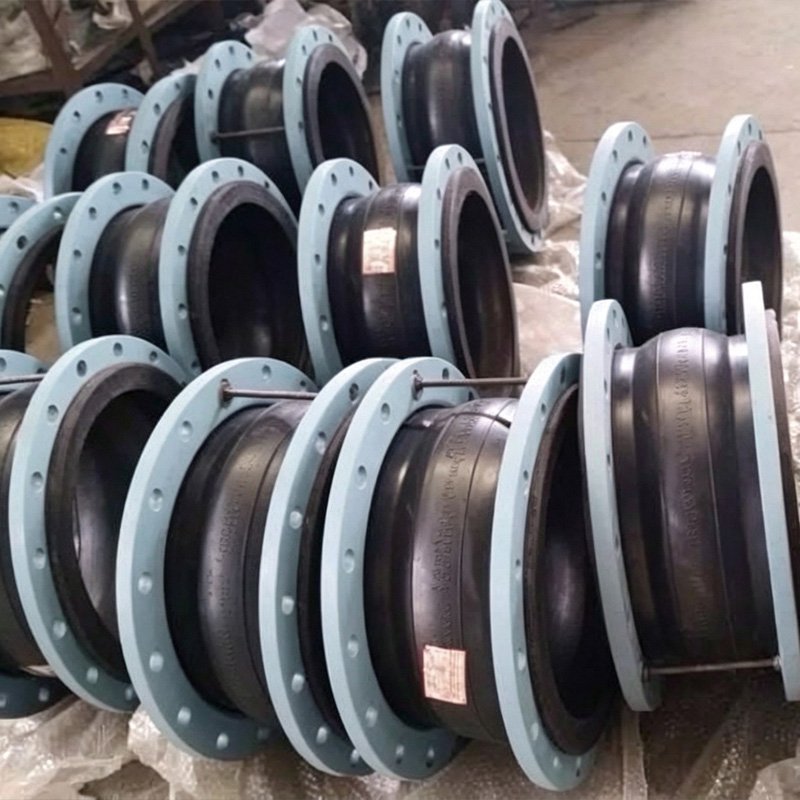
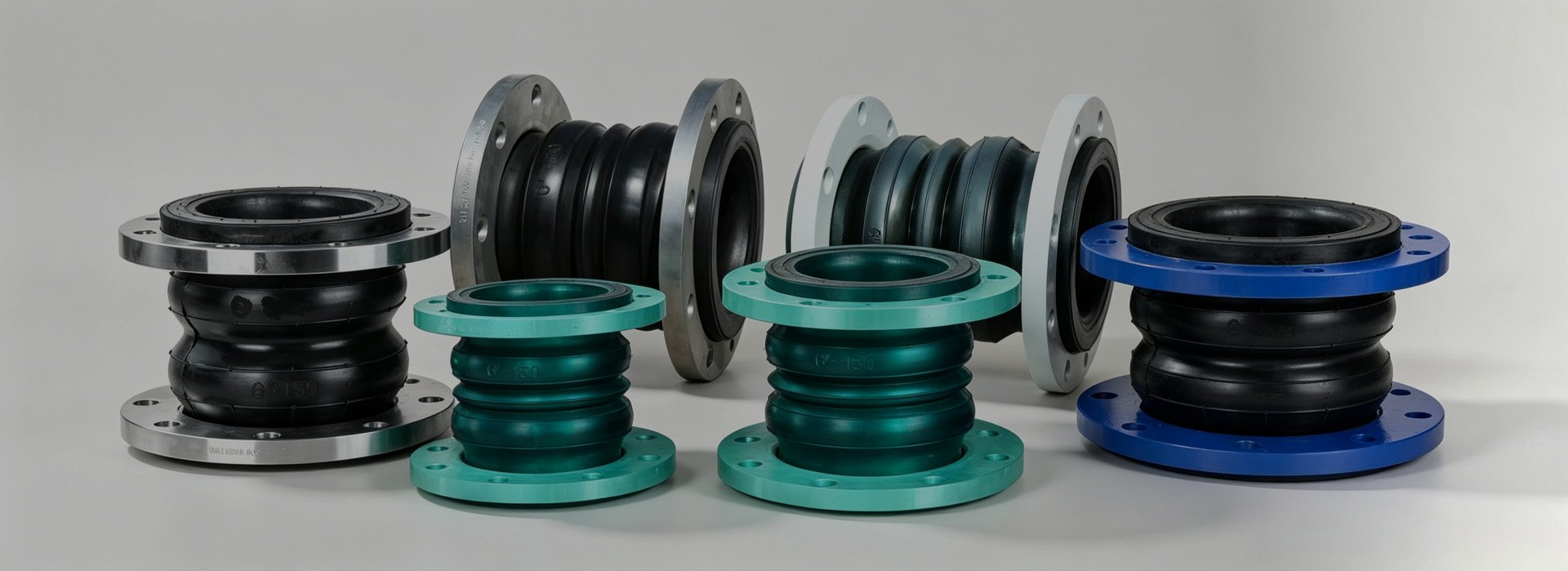
Customized rubber compensators are available in various sizes, flanges, rubber materials, and structures to suit different pipeline conditions.

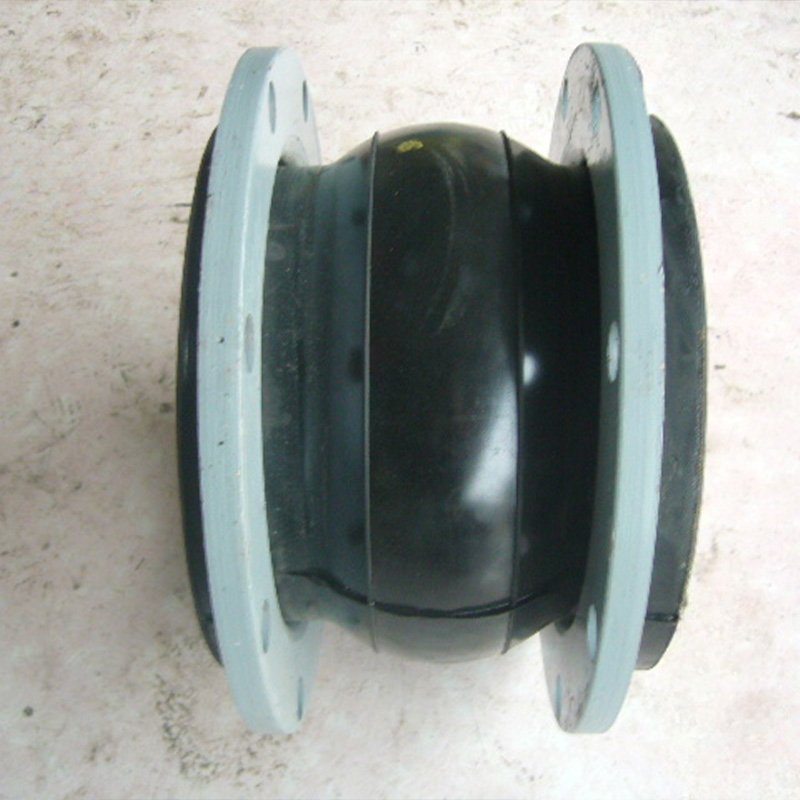
It absorbs pipeline vibration and axial displacement, for water, air and general industrial media.
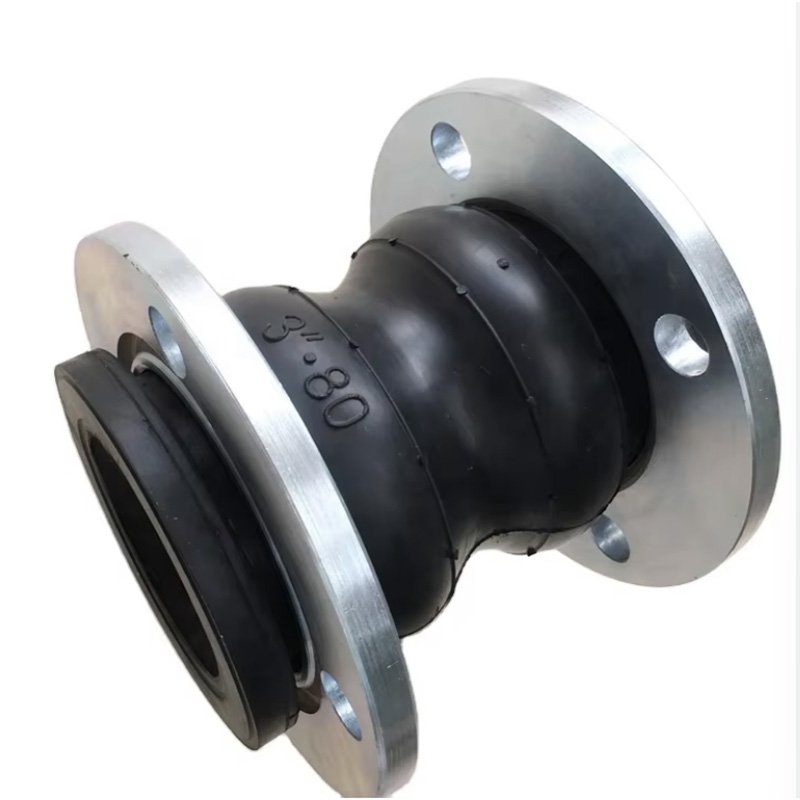
Double-sphere structure provides better displacement compensation suit for complex pipelines.
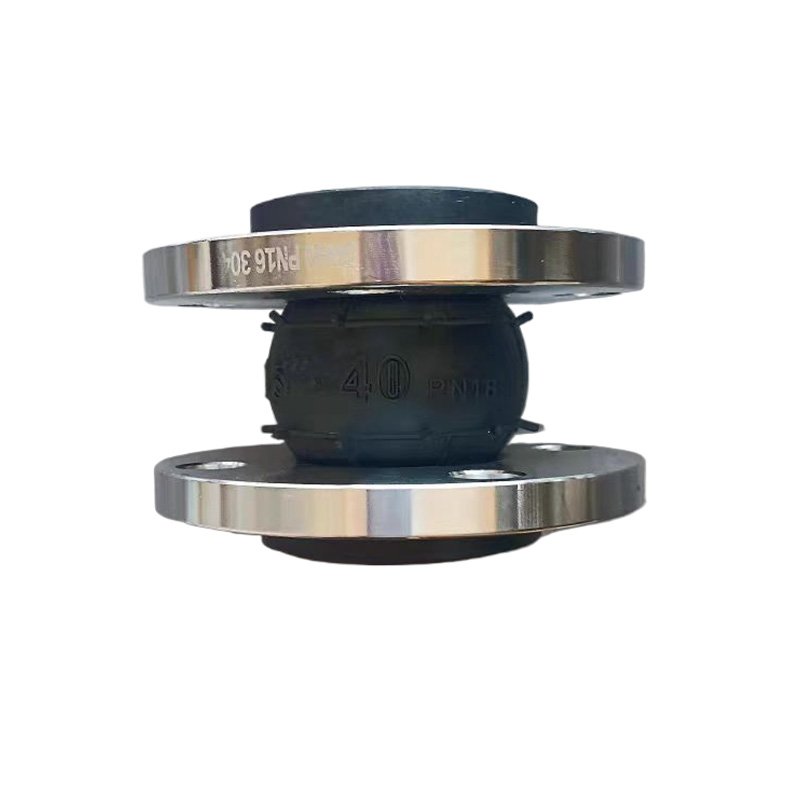
EPDM rubber has good water & aging resistance, for water supply and drainage systems.

NBR material has oil resistance and is suitable for pipelines containing oil and industrial media.
Why Use Rubber Expansion Joints in Your Piping System?
Flexible rubber compensators help control vibration, displacement, noise, and installation stress around pumps, valves, HVAC equipment, and industrial pipelines.

Absorbs vibration from pumps, compressors, motors, and other rotating equipment.

Handles pipeline movement caused by heating and cooling cycles during operation.

Flexible construction helps limit stress transferred to pipes and connected equipment.

Rubber construction helps reduce vibration-related noise in piping and mechanical systems.

Choose rubber compounds according to water, air, oil, chemicals, or other service media.

Standard flange configurations make replacement and installation more convenient for maintenance teams.

Multiple nominal pipe sizes and face-to-face dimensions support different piping layouts.

Suitable for water treatment, HVAC, pumps, marine systems, and general industrial piping.
Vibration Reduction & Noise Reduction Performance
Jiuyi’s rubber expansion joints offer excellent flexibility, high damping, and superior vibration isolation, reducing mechanical impact and rigid coupling between equipment and pipelines. Typically, rubber expansion joints should be installed near vibration sources. This helps improve noise and vibration reduction in your piping system.
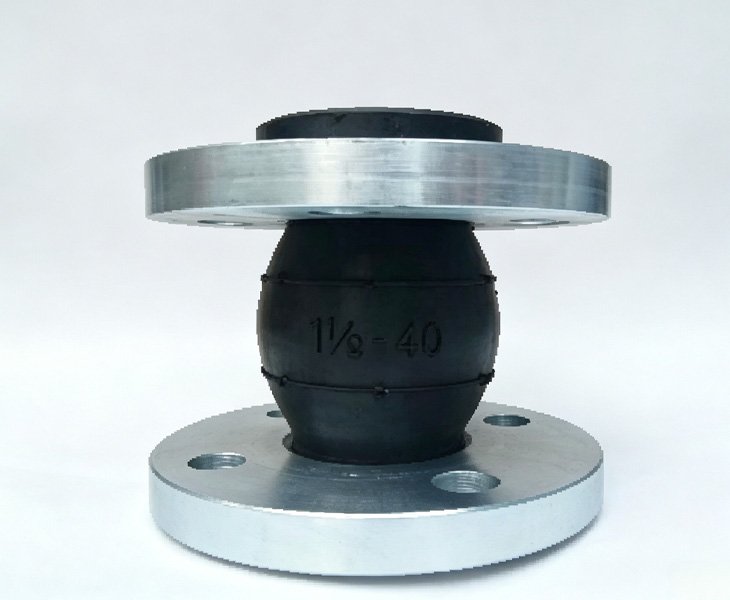
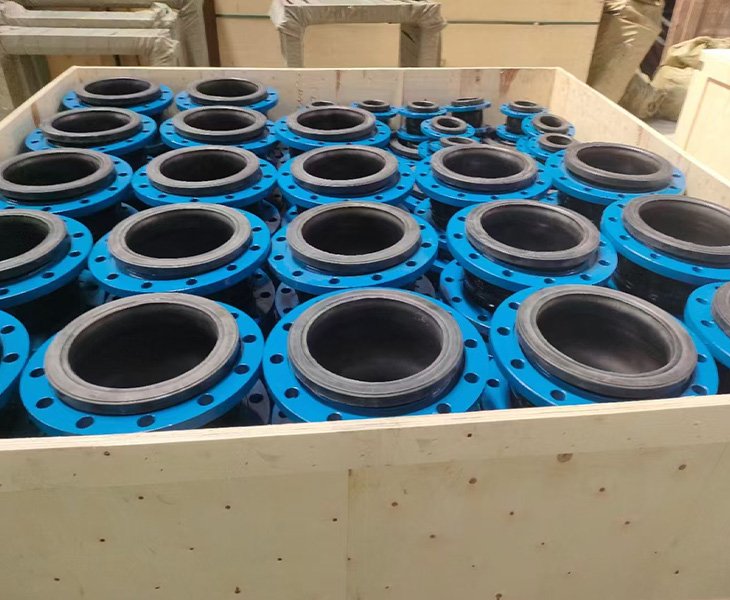
Good Displacement Compensation Effect
Rubber expansion joints utilize the elastic deformation of rubber materials to convert pipeline displacement into tensile, compressive, shear, and bending deformations of the rubber body, thereby reducing the impact of displacement and vibration on the pipeline system. They can help pipeline systems absorb thermal expansion and contraction, and also help industrial pipeline equipment compensate for installation errors.
Professional Rubber Expansion Joint Supplier
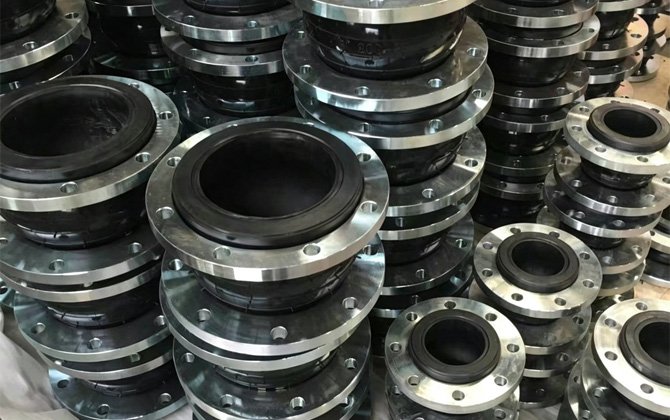
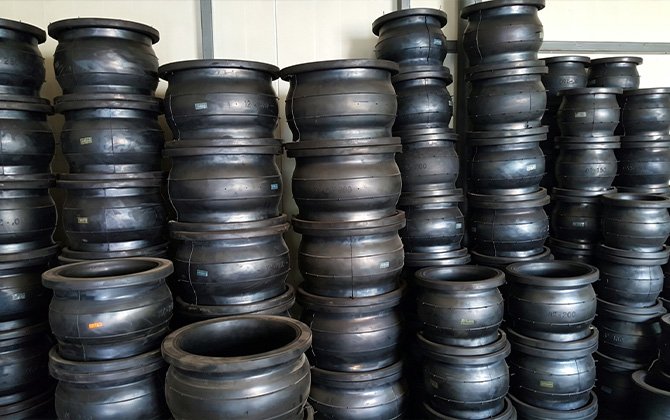
Jiuyi specializes in the production of rubber expansion joints and flexible pipe connections. We use high-quality rubber formulations and customize and install flanges for you. We have rigorous testing procedures and can provide suitable product solutions based on pipe diameter, pressure, medium, and installation conditions. Our products are widely used in pump rooms, water supply and drainage, HVAC, fire protection, chemical, and industrial piping systems.
Rubber Expansion Joint Solutions for Different Industries
We provide corresponding rubber expansion joint solutions for different application scenarios to help you reduce pipeline vibration, absorb thermal displacement, and reduce mechanical stress generated during equipment operation.
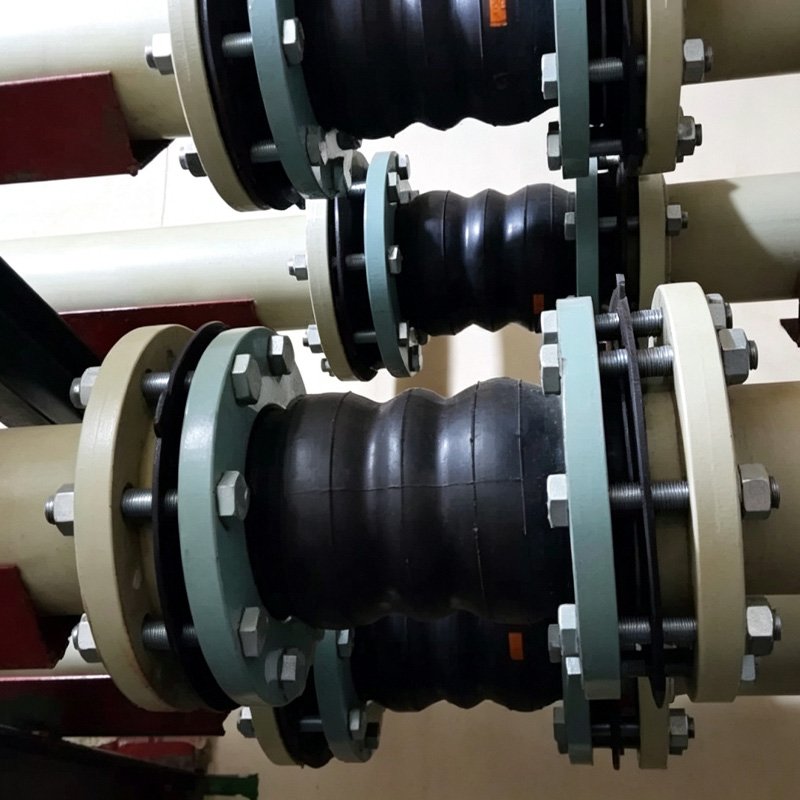
In the power plant and energy system, the vibration and thermal displacement of the pumps and fans will be more, the cooling water cools and the circulating the water pipeline also be vibrated. Rubber expansion joints may be used at the outlets of pumps, in the circulating water pipes and cooling systems, or where else any need to absorb vibration or compensate for movement.

Chemical & petrochemical pipelines has to account for media corrosivity, temperature extremes and vibration of equipment. For different media, the rubber elastomers like EPDM, NBR, Neoprene, FKM could be chosen according to the working condition in reality.
More Details About Rubber Expansion Joint
- Signel Rubber Expansion Joint
- Multi-Sphere Rubber Expansion Joint Data Sheet
| Table 1: Single Rubber Expansion Joint | ||||||
| Nominal Diameter (DN) | Flange Length (mm) | Axial Displacement (mm) | Radial Displacement (mm) | Angular Displacement | ||
| mm | inch | Elongation | Compression | (a1+ d2) | ||
| 32 | 1.25″ | 90 | 6 | 10 | 10 | 25 |
| 40 | 1.5″ | 95 | 6 | 10 | 10 | 25 |
| 50 | 2″ | 105 | 6 | 10 | 10 | 25 |
| 65 | 1.5″ | 115 | 8 | 15 | 12 | 25 |
| 80 | 3″ | 135 | 8 | 20 | 12 | 25 |
| 100 | 4″ | 150 | 12 | 20 | 16 | 15 |
| 125 | 5″ | 165 | 12 | 20 | 16 | 15 |
| 150 | 6″ | 180 | 12 | 20 | 16 | 15 |
| 200 | 8″ | 210 | 30 | 30 | 16 | 15 |
| 250 | 10″ | 230 | 30 | 30 | 25 | 8 |
| 300 | 12″ | 245 | 30 | 30 | 25 | 8 |
| 350 | 14″ | 255 | 30 | 30 | 25 | 8 |
| 400 | 16″ | 255 | 30 | 30 | 25 | 8 |
| 450 | 18″ | 255 | 30 | 30 | 25 | 8 |
| 500 | 20″ | 255 | 30 | 30 | 25 | 8 |
| 600 | 24″ | 260 | 40 | 40 | 25 | 8 |
| 700 | 28″ | 260 | 40 | 40 | 30 | 3 |
| 750 | 30″ | 260 | 40 | 40 | 30 | 3 |
| 800 | 32″ | 260 | 40 | 40 | 30 | 3 |
| 900 | 36″ | 260 | 40 | 40 | 30 | 3 |
| 1000 | 40″ | 260 | 40 | 40 | 30 | 3 |
| 1100 | 44″ | 300 | 40 | 40 | 30 | 3 |
| 1200 | 48″ | 300 | 50 | 50 | 30 | 3 |
| 1300 | 52″ | 300 | 50 | 50 | 35 | 2 |
| 1400 | 56″ | 350 | 50 | 50 | 35 | 2 |
| 1500 | 60″ | 350 | 50 | 50 | 35 | 2 |
| 1600 | 64″ | 350 | 50 | 50 | 35 | 2 |
| 1800 | 72″ | 400 | 50 | 50 | 35 | 2 |
| 2000 | 80″ | 400 | 60 | 60 | 35 | 2 |
| 2200 | 88″ | 400 | 60 | 60 | 35 | 2 |
| 2400 | 96″ | 450 | 60 | 60 | 35 | 2 |
| 2600 | 104″ | 450 | 60 | 60 | 35 | 2 |
| 2800 | 112″ | 450 | 60 | 60 | 35 | 2 |
| 3000 | 120″ | 500 | 60 | 60 | 35 | 2 |
| 3200 | 128″ | 500 | 70 | 70 | 35 | 2 |
| 3400 | 136″ | 500 | 70 | 70 | 35 | 2 |
| 3600 | 144″ | 500 | 70 | 70 | 35 | 2 |
| 3800 | 152″ | 550 | 70 | 70 | 35 | 2 |
| 4000 | 160″ | 550 | 70 | 70 | 35 | 2 |
| 4200 | 168″ | 550 | 70 | 70 | 35 | 2 |
| 4400 | 176″ | 600 | 70 | 70 | 40 | 1 |
| 4600 | 184″ | 600 | 70 | 70 | 40 | 1 |
| 4800 | 192″ | 650 | 70 | 70 | 40 | 1 |
| 5000 | 200″ | 650 | 70 | 70 | 40 | 1 |
| Note:Above sizes are according to the Chinese Standard. Other sizes can be changed as required. | ||||||
| Table 2: Multi-Sphere Rubber Expansion Joint Data Sheet | ||||||||||||||
| Diameter | Length of Double-Sphere (mm) | Length of 3-Sphere (mm) | Length of 4-Sphere (mm) | Axial Displacement (mm) | Radial Displacement (mm) | Angular Displacement (mm) | ||||||||
| mm | inch | Double-Sphere | 3-Sphere | 4-Sphere | Double-Sphere | 3-Sphere | 4-Sphere | Double-Sphere | 3-Sphere | 4-Sphere | ||||
| 32 | 1.25″ | 165 | 250 | 300 | ±30 | ±50 | ±70 | 45 | 65 | 75 | 45 | 47 | 50 | |
| 40 | 1.5″ | 165 | 250 | 300 | ±40 | ±60 | ±80 | 45 | 65 | 75 | 45 | 47 | 50 | |
| 50 | 2″ | 165 | 250 | 300 | ±40 | ±60 | ±80 | 45 | 65 | 75 | 45 | 47 | 50 | |
| 65 | 1.5″ | 175 | 300 | 350 | ±40 | ±60 | ±80 | 45 | 65 | 75 | 45 | 47 | 50 | |
| 80 | 3″ | 175 | 300 | 350 | ±40 | ±60 | ±80 | 45 | 65 | 75 | 45 | 47 | 50 | |
| 100 | 4″ | 225 | 350 | 400 | ±50 | ±70 | ±90 | 55 | 70 | 80 | 30 | 32 | 35 | |
| 125 | 5″ | 225 | 350 | 400 | ±50 | ±70 | ±90 | 55 | 70 | 80 | 30 | 32 | 35 | |
| 150 | 6″ | 225 | 350 | 400 | ±50 | ±70 | ±90 | 55 | 70 | s0 | 30 | 32 | 35 | |
| 200 | 8″ | 325 | 400 | 450 | ±50 | ±70 | ±90 | 55 | 70 | 80 | 15 | 20 | 30 | |
| 250 | 10″ | 325 | 400 | 450 | ±50 | ±70 | ±90 | 55 | 70 | 80 | 15 | 20 | 30 | |
| 300 | 12″ | 325 | 450 | 500 | ±60 | ±80 | ±100 | 65 | 75 | 85 | 15 | 15 | 15 | |
| 350 | 14″ | 325 | 450 | 500 | ±60 | ±80 | ±100 | 65 | 75 | 85 | 15 | 15 | 15 | |
| 400 | 16″ | 400 | 450 | 500 | ±60 | ±80 | ±100 | 65 | 75 | 85 | 15 | 15 | 15 | |
| 450 | 18″ | 400 | 550 | 600 | ±70 | ±80 | ±100 | 65 | 75 | 85 | 10 | 10 | 12 | |
| 500 | 20″ | 400 | 550 | 600 | ±70 | ±85 | ±120 | 65 | 75 | 85 | 10 | 10 | 12 | |
| 600 | 24″ | 400 | 550 | 600 | ±70 | ±85 | ±120 | 65 | 75 | 85 | 10 | 10 | 12 | |
| 700 | 28″ | 400 | 550 | 600 | ±75 | ±90 | ±120 | 70 | 80 | 90 | 10 | 10 | 12 | |
| 800 | 32″ | 450 | 550 | 600 | ±75 | ±90 | ±120 | 70 | 80 | 90 | 8 | 10 | 12 | |
| 900 | 36″ | 450 | 550 | 600 | ±75 | ±90 | ±120 | 70 | 80 | 90 | 8 | 10 | 12 | |
| 1000 | 40″ | 450 | 550 | 600 | ±75 | ±90 | ±120 | 70 | 80 | 90 | 8 | 10 | 12 | |
| 1200 | 48″ | 500 | 550 | 600 | ±80 | ±100 | ±140 | 70 | 80 | 90 | 6 | 10 | 12 | |
| 1400 | 56″ | 500 | 600 | 650 | ±80 | ±100 | ±140 | 75 | 85 | 100 | 6 | 8 | 12 | |
| 1600 | 64″ | 500 | 600 | 650 | ±80 | ±100 | ±140 | 75 | 85 | 100 | 6 | 8 | 10 | |
| 1800 | 72″ | 500 | 600 | 650 | ±80 | ±100 | ±140 | 75 | 85 | 100 | 6 | 8 | 10 | |
| 2000 | 80″ | 550 | 600 | 650 | ±85 | ±120 | ±160 | 75 | 85 | 100 | 4 | 6 | 8 | |
| 2200 | 88″ | 550 | 650 | 700 | ±85 | ±120 | ±160 | 70 | 80 | 100 | 4 | 6 | 8 | |
| 2400 | 96″ | 550 | 650 | 700 | ±85 | ±120 | ±160 | 70 | 80 | 100 | 4 | 6 | 8 | |
| 2600 | 104″ | 550 | 650 | 700 | ±85 | ±120 | ±160 | 70 | 80 | 100 | 4 | 6 | 8 | |
| 2800 | 112″ | 550 | 650 | 700 | ±85 | ±120 | ±160 | 70 | 80 | 100 | 4 | 6 | 8 | |
| 3000 | 120″ | 550 | 650 | 700 | ±85 | ±120 | ±160 | 70 | 80 | 100 | 4 | 6 | 8 | |
Real Customer Reviews of Our Rubber Compensators
These rubber bellows compensators were mounted between the pump and the pipeline. The apparatus used to vibrate significantly when running; subsequent to the substitution, field comment were entirely positive particularly with diminution of vibration on line ends while start up and shutdown of pump. This whole the purchasing was easy to follow, and the techs were able to suggest appropriate models for our operating conditions.
 KakanCEO, Turkey
Our project consisted of non-standard sizes, we had to order rubber expansion joints made to measure, which included the dimensions of the flanges, as well as the overall length. We had submitted drawings and parameters at the beginning, and the key dimensions were reconfirmed by the supplier before production. The finished product is very close to what we had for installation space, this is very critical for the project site.
 SomchaiEngineer, Thailand
Rubber expansion joints are designed to accommodate axial, lateral and angular movements up to a certain limit. The compensation amount is related to the design type, pipe diameter, length, rubber material, and working pressure. The selection should be made on the basis of calculation according to the actual working condition.
Single sphere joints are generally smaller in size and are more suitable for smaller space or applications where relatively low displacement can be expected. Double sphere joints normally have better flexibility and displacement absorption capability, this makes them the best option for piping systems which are involved with large vibrations or in case more compensation is required.
The usual materials are EPDM, NBR, Neoprene and natural rubber. EPDM is best suited for water and steam application while NBR is more oil compatible. The specific material is dependent upon the medium, temperature and pressure.
The most common flange standards for flanges are as followings: ANSI, DIN, JIS, BS, EN. Please confirm the outside diameter of the flange, the number of the bolt and the distance between each bolt, the type of sealing surface and the pressure level when you buy. DN does not allow to know if it is compatible or not.